


Why is my furnace blowing cold air?
A furnace blowing cold air usually means the system is circulating air before heat starts, or a heating part has failed and never catches up. The clue is timing, if the air turns warm after a short delay, that's different from air that stays cold through the whole cycle.
At Above + Beyond Service Company, we first check whether the thermostat, blower, and heating components are actually asking for heat in the right order. A simple setting issue can mimic a bigger problem, but a failed ignition part, control, or heating stage leaves you with cool air and no real heat.
That difference matters in Oklahoma City, where cold snaps can make a weak furnace obvious fast. One cycle tells you a lot.
What is normal and what is not when the heat first turns on
Brief cool air at the start can be normal. On a gas furnace, the blower may move room-temperature air while the burners light and the heat exchanger warms. On an electric furnace, the fan can start before the heat strips are fully energized, so you may feel a brief cool push first.
That first stretch should be brief. If the air never shifts from cool to warm, the furnace isn't behaving the way it should. The symptom means the heating stage isn't taking over, even though the blower is running.
Gas and electric systems fail a little differently. A gas furnace can keep blowing air while ignition or flame proving never completes, so no heat gets added to the air stream. An electric furnace can run the blower without the heat strips coming online, so the air stays cold instead of warming as the cycle continues.
- At startup, brief cool air can be normal.
- Air that stays cold through the whole cycle isn't.
- Gas heat should turn warm after ignition.
- Electric heat should warm once the strips engage.
If your heater on blowing cold air lasts longer than that startup window, something in the heat-producing side isn't doing its job. And if you've been asking why is my heat blowing cold air every cycle, that's the pattern that points to a real failure, not a normal warm-up.
The most common reasons a furnace blows cold air instead of heat
A dirty filter can make a furnace not blowing hot air because it restricts return airflow, which lets the heat exchanger run hotter than it should, so the high-limit switch opens and shuts the burners off while the blower keeps moving air. That leaves you with room-temperature or cool air at the vents.
Ignition trouble creates a different chain. A failed igniter, a weak flame sensor, or a gas supply problem keeps the burners from lighting or staying lit, which means no flame ever heats the exchanger, so the blower sends out air that never picked up heat. In that case, the fan runs, but combustion doesn't.
The control side can fool you, too. A thermostat set to fan-only sends the blower on without calling for heat, and a miswired control can do the same thing by telling the fan to circulate air before the heating circuit takes over. The result feels like the furnace is working, but it's only moving air around the house.
| Cause | What happens | Why the air stays cold |
|---|---|---|
| Dirty filter or blocked airflow | Furnace overheats and the limit switch opens | Burners shut off while the blower keeps running |
| Failed igniter, flame sensor, or gas supply issue | Combustion never starts or won't stay lit | No flame means no heat transfer to the air |
| Fan-only setting or miswired control | Blower runs without a heat call | The system circulates unheated air |
Those failures can look similar from the vent, but they don't fail the same way inside the cabinet. The filter and airflow issue starts with overheating protection. The ignition and gas issue starts with no flame. The thermostat or control issue starts with the blower being told to run at the wrong time.
Electric furnace problems that can leave only cold air at the vents
An electric furnace blowing cold air can still run the blower when the heat side has failed. If a breaker trips on the heating circuit, the fan may keep moving air, but the heat strips can't energize, so the vents stay cold.
Heat strips can also fail in stages. One strip may still warm the air enough to feel lukewarm, then a second failed strip or a limit opening cuts the heat back out, so the supply air turns cold again before the cycle ends. That's why the symptom can seem to come and go.
The blower motor doesn't create heat on its own. It only pushes air across the energized strips. When the strips lose power, the air coming out feels like the fan's working harder than the furnace is.
What to check safely before calling for repair
When you're asking why is my furnace blowing cold air, start with the thermostat before you touch anything else. Set it to Heat, put the fan on Auto, and raise the temperature a few degrees above room temperature. If the fan is set to On, it will keep pushing air through the ducts even when the furnace isn't making heat.
Next, check the filter, supply vents, and return grilles. A clogged filter or blocked grille can choke airflow, which can make the furnace cycle poorly and leave you with cool air at the register. Replace a dirty filter, open closed vents, and clear dust or furniture that's crowding the returns.
Reset the furnace only once if the breaker or service switch has tripped. Turn it back on and watch the result. If it trips again, stop there. Repeated resets can hide the real fault and keep you guessing.
These checks are quick, and they don't require opening the cabinet. In Oklahoma City, summer heat can push a system hard, and a neglected filter gets dirty faster than the box on the shelf suggests, often in about 30 days. If the issue is still there after the basics, the problem has moved past a simple setting or airflow fix.
When cold air means a repair is needed now
Repeated burner shutdowns are a repair sign. If the burners light, drop out, and try again more than once, the furnace is losing the heat it needs to stay running, and the control system is shutting it down to protect the equipment. A burning smell with that pattern points to overheated parts or wiring that needs attention, not another thermostat tweak.
- No ignition after several tries means the igniter, gas valve, flame sensor, or control board isn't completing the start-up sequence.
- A gas smell means stop using it and get everyone out of the house, then call the gas utility and the fire department from outside.
- Soot around the furnace or a yellow burner flame points to incomplete combustion, which can create carbon monoxide risk.
If you still have cold air after the safe checks, the fault has moved past settings and airflow. At that point, we need to test the ignition path, gas supply, blower airflow, and control system in order. One weak link can keep the burners from staying lit, or keep the blower moving unheated air through the ducts.
A furnace that keeps cycling cold after basic checks isn't being stubborn, it's telling you the heat-making side isn't doing its job. That's the point where diagnosis matters more than guessing. We check the flame sensor, limit switch, and electrical controls, then trace the failure to the part that's breaking the sequence.
How a technician finds the cause and fixes the furnace
We start with airflow, because a restricted filter or weak return can starve the furnace and make the limit switch open. Then we test ignition, gas pressure, the flame sensor, and the control board in order, so we can see where the heat-making sequence breaks instead of swapping parts at random.
| Check | What it tells us | Common fix |
|---|---|---|
| Airflow | Whether the furnace can move enough air across the heat exchanger | Replace the filter, clear the return path, or correct a blower issue |
| Ignition | Whether the burners light cleanly and stay lit | Service or replace the igniter, flame sensor, or related wiring |
| Gas pressure | Whether the burners are getting the fuel they need | Adjust or repair the gas train as needed |
| Limit switch | Whether overheating is forcing the furnace to shut down | Find the airflow restriction or failing part that opened the switch |
| Electrical components | Whether the blower, capacitor, contactor, or board is doing its job | Replace the failed part after testing |
The parts we replace most often are the filter, igniter, flame sensor, capacitor, contactor, and control board. When the filter is dirty, airflow can choke, raising the temperature in the cabinet and making the furnace shut itself down. A weak igniter or dirty flame sensor can break the ignition cycle, so the burners light late, drop out, or never prove flame at all.
Replacement starts to make more sense when the furnace is old, unreliable, or the repair bill keeps climbing. Typical gas furnaces last about 15 to 20 years, and the age and repair cost together matter more than either one alone. If the cabinet has had repeated board, ignition, or blower failures, a new system can protect you from another round of short-lived fixes.
We also look at the control board before we call anything solved. A board can send the wrong signal to the blower or burners, which leaves you with cold air even though the rest of the furnace looks ready. That's the kind of fault that only shows up when we test each step of the sequence, not when we guess from the vent.
For more on the parts that fail most often, see our article on what are the most common furnace problems.
How to keep a furnace from blowing cold air again
Regular filter changes help keep the heat exchanger from running too hot, which keeps the limit switch from opening and the blower from pushing out cool air. In Oklahoma City summers, dust loads up fast, so a clean filter does more than improve airflow. It protects the whole heating cycle.
Annual maintenance gives us a chance to catch ignition wear, weak airflow, and safety issues before the heating season starts. We check the igniter, flame sensor, burners, blower operation, and safety controls before they turn into a no-heat call. That kind of tune-up can restore steady heat before a small fault starts cycling the furnace off.
Keep supply vents open and don't block the return path with furniture, rugs, or storage. Air has to move in, across the furnace, and back again. When the return is choked off, the furnace works harder, parts run hotter, and the house feels uneven.
A little upkeep goes a long way. If you want the furnace to stay reliable, make airflow the habit and maintenance the reset.
Frequently Asked Questions
How long should a furnace blow cold air before it warms up?
A furnace should only send out cool air for a brief startup window, then the supply air should turn warm as the burners heat the exchanger. If the air stays cold for the whole cycle, the delay is longer than normal and the heat call isn't completing. On many systems, the blower starts first and the heat follows a little later, so a short cool spell can be part of the sequence.
Can a dirty filter really make the furnace blow cold air?
A dirty filter can absolutely cause a furnace to blow cold air because restricted airflow makes the heat exchanger run too hot, which opens the limit switch and shuts the burners down. The blower can keep moving air after that shutdown, so the vents feel cold even though the furnace tried to heat. In dusty Oklahoma City conditions, a loaded filter can trigger that cycle faster than you expect.
Why does the furnace blow cold air after the burners shut off?
After the burners shut off, the blower often keeps running long enough to pull the last heat out of the exchanger and clear the cabinet. That post-purge air can feel cool once the stored heat is gone, especially if the flame went out early or the limit switch opened during the cycle. A weak flame sensor, a dirty burner path, or an overheated exchanger can all leave you with a cold finish instead of a steady warm one.
What to do next if your furnace still blows cold air
You can keep an eye on it if the air only stays cool at startup. If it stays cold through the cycle, or the problem keeps coming back, it’s time to choose service over guesswork.
All technicians are licensed through the Oklahoma Construction Industries Board (CIB). That means the inspection is handled by licensed pros who know how to sort out heating problems the right way.
Book a furnace inspection with Above + Beyond Service Company, and we’ll check the system for ignition, gas, airflow, and control problems before you keep chasing the same issue. We’ll help you protect the heat and maintain the rest of the system, too.
Call (405) 428-3382 or book online at www.pinkvantechs.com for service in Oklahoma City and nearby Central Oklahoma.
Written by the Above + Beyond Service Company team. All technicians licensed through the Oklahoma Construction Industries Board (CIB) Above + Beyond Service Company is licensed for HVAC, plumbing, and electrical work in Oklahoma under license numbers #00176537, #00136197, and #160383 · NATE-certified technicians.
Related Posts


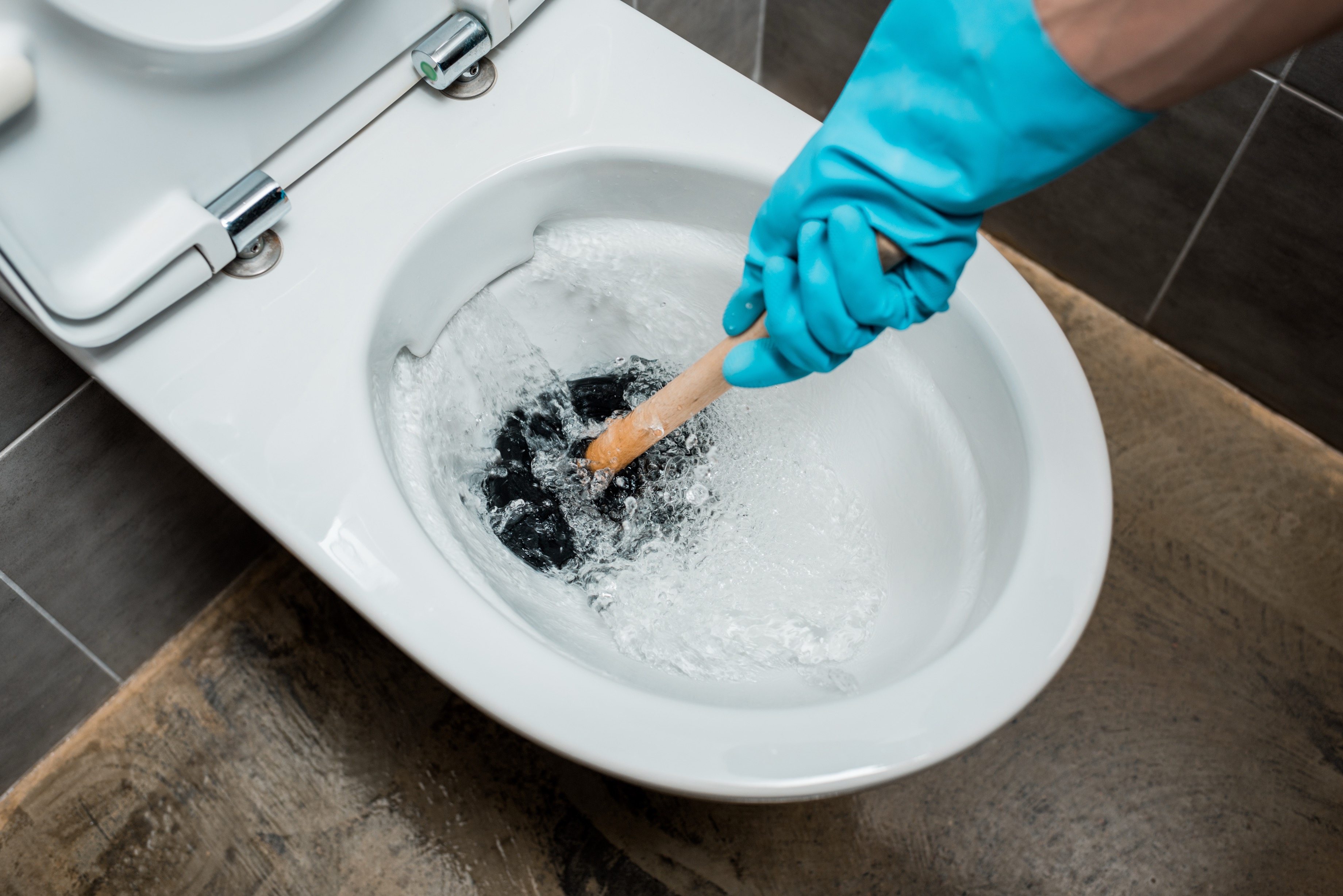
Sewer Line Repair Signs in Oklahoma City
Sewer line repair in Oklahoma City: learn what gurgling drains and repeat clogs mean, what causes them, and when to call a plumber.

You’ve Probably Heard About Our REPUTATION
We have maintained quite a reputation for our emergency repair service, affordable prices, open lines of communication and comprehensive services that are sure to go above and beyond your expectations.

Affordable Prices
We believe that everyone deserves access to high-quality solutions, which is why we offer specials that make our services more affordable than ever.

Open Lines of Communication
You can call us anytime to schedule an appointment or simply drop us a message on our website. We are always happy to hear from you!

Emergency Service
We offer evening and weekend availability to help provide prompt, efficient solutions for your service needs.

Comprehensive services
When you work with us, you can trust that you are receiving top-quality services from experienced professionals who take pride in their work.
EPA Certified Technicians
Above + Beyond only uses factory-trained, NATE and EPA-certified technicians. Subcontractors are never used.
10-Year Heat Exchanger Guarantee
Above + Beyond will replace your entire furnace unit for NO CHARGE if your heat exchanger fails within 10 years of the installation date. (Does not apply if regular maintenance is not completed.)
Punctual to Your Appointment
Your time matters. That's why every Above + Beyond appointment comes with a confirmed arrival window, a courtesy call when your technician is on the way, and a live tracking link so you're never left guessing.
We Stand Behind Our Work
Above + Beyond will provide 1 year labor warranties for parts installations and 2-year labor warranty on all equipment installations.

"We Are Very Happy With Above + Beyond!"
-Lucian D.
- Terri O'Bryant
- Todd Schug
- Winford willie


We Simplified Home Improvement Financing
- Several different loan types available.
- Financing available for most levels of credit.
- Options for deferred interest, deferred payments.


Serving Our Neighbors in Oklahoma City Since 2015
Ignoring plumbing, HVAC, or electrical issues in your home or business can lead to costly damage and safety hazards. That’s why our local experts are dedicated to keeping your property running smoothly with reliable residential and commercial services in Edmond,
Yukon, and the surrounding areas.
When you choose our certified contractors, you can expect us to deliver long-lasting results while prioritizing your safety from start to finish! From selecting a new appliance to repairing an existing system, we offer a variety of colors and styles from industry-leading brands to accommodate your unique needs and budget.
Our Service Areas
Installing a new AC unit? Frustrated with faulty outlets? Our contractors are available 24/7 for
all your plumbing, electrical, and HVAC needs in Oklahoma City!


Take Advantage of
Our Offers + Save Today


