


Introduction: Heat Pump vs. Furnace for Oklahoma Homes
July attic temperatures can hit 140 degrees, and that changes the conversation fast. In Oklahoma, the better choice depends on how often your system runs in 100 plus summer heat, how well it handles 48 to 59 percent humidity, and what you want to do when nights dip below 25 degrees. We start with the rule we use on the truck: if a repair is pushing past half the cost of replacement, we stop patching and price both options. That keeps you from buying one more capacitor, contactor, or filter and still ending up with a tired system in the middle of July. A heat pump can make sense when you want one system for heating and cooling, especially if the replacement is being sized with a Manual J room by room load calculation. A furnace makes more sense when gas service from Oklahoma Natural Gas is already there and you want strong winter heat without relying on supplemental electric resistance heat when temperatures fall near 35 degrees. A few Oklahoma details matter here:
- SEER2 14.3 is the current minimum for this climate zone.
- OG&E offers rebates on qualifying high-efficiency AC and heat pump replacements.
- ONG offers rebates on qualifying furnace upgrades.
- Standard heat pumps struggle below about 35F and fall back to electric resistance heat. We’d rather show you the numbers than guess. That’s how you protect comfort, utility bills, and the next ten years of ownership.
How Oklahoma’s Winters Affect Heating Performance
Cold fronts don’t ease in here. They hit hard, then bounce back mild, and that swing is rough on heat pumps and furnaces alike. Once outdoor temperatures slide toward the low 30s, a heat pump can do fine on many Oklahoma nights, but it starts leaning harder on electric resistance heat. That backup heat keeps you warm, but it also drives up your OG&E bill fast. A furnace, by contrast, keeps burning gas and usually holds its output steadier when the wind cuts across the house. That’s why we look at more than the equipment label. We check how long the system runs, how well it defrosts, and whether the house leaks enough air to make one system work overtime. If your filter is clogged or your outdoor coil is dirty, the best unit in the world will still struggle. Here’s the rule we use: if winter comfort depends on backup heat too often, you need a real diagnosis, not a guess. A weak blower, a failing igniter, or a heat pump that’s short on capacity is something we’d rather show you than sell you the wrong fix. A few winter details matter a lot:
- 20 nights a year dip below 25 degrees, so recovery time matters.
- Older homes with original ductwork can lose heat before it reaches the rooms.
- A furnace with a bad flame sensor may run in short, frustrating cycles.
- A heat pump with a dirty coil can ice up and lose performance right when you need it most. We’ve found that Oklahoma winters expose weak parts fast. If the system was already tired in fall, January will tell on it.
How a Heat Pump Heats a Home in Oklahoma
A heat pump moves heat instead of making it from scratch. That matters on an Oklahoma morning when the house feels cold, but the outdoor air still carries enough heat for the system to pull inside. Here’s the part most people miss. The outdoor coil absorbs heat from the air, the refrigerant carries it indoors, and the indoor coil releases that heat through the ductwork. When the unit runs in heating mode, the reversing valve flips the whole process. Same equipment. Different job. When outdoor temperatures slide below about 35 degrees, a standard heat pump starts leaning on electric resistance heat. That backup heat works, but it costs more to run at OG&E’s residential electric rates. We see that show up fastest in homes with long runtimes, dirty filters, or a weak auxiliary heat strip. A clean system does three things better:
- It keeps the outdoor coil clear so airflow stays up.
- It protects the compressor from short cycling.
- It lets the thermostat call for heat without dragging the backup strips in early. If your heat pump feels like it never quite catches up, we check more than the thermostat. We look at refrigerant charge, filter condition, defrost operation, and whether the air handler is actually moving enough air. A unit can sound fine and still heat poorly. That’s why the decision rule is simple. If the system is relying on resistance heat too often, the problem may be maintenance, sizing, or age, not just the cold snap. If you’d rather see the reading than have us guess at the fix. If you want the next step, compare that performance to a furnace and see which one fits your house better.
Why Furnaces Still Make Sense in Oklahoma
Gas heat still earns its keep when the forecast swings hard. A furnace gives you fast, dry heat on a 28 degree morning, then shuts off without leaning on electric resistance strips. That matters in homes that already have Oklahoma Natural Gas service. If the gas line is there and the ductwork is sound, a furnace can be the cleaner fit for winter comfort. We also see it pencil out better when the system is older and the repair list is getting long. Our cutoff is simple: if the repair is over half the cost of replacement, we stop patching and quote both paths. Furnaces also pair well with Oklahoma weather. You may only need serious heat for part of the season, but you want it to come on hard when a front rolls through. A two stage or variable speed furnace can improve comfort by running longer at a lower output, which helps even out hot and cold spots instead of blasting the house in short bursts. Here’s what usually tips the scale toward gas heat:
- You already pay for ONG service.
- Your home loses heat fast through older windows or leaky ductwork.
- You want to avoid resistance heat during those 20 or so nights below 25 degrees.
- You’d rather keep heating costs tied to gas than watch a heat pump lean on backup strips. We check the age of the furnace, the condition of the heat exchanger, and whether the ducts can actually carry the heat you’re paying for. A 90%+ AFUE unit can make sense when the old one is tired, but only if the rest of the system supports it. If the house is a good gas candidate, we’ll say so. If it isn’t, we’ll say that too.
Heat Pump vs. Furnace: Comfort, Efficiency, and Cold-Weather Reliability
Heat pumps win on mild days. Furnaces win when the cold snaps hard. That’s the real split we see in Oklahoma homes. When outdoor air still has enough energy to work with, a heat pump moves heat and can do it efficiently. Once temperatures fall below about 35 degrees, many standard units lean on electric resistance heat. It still warms the house. It just does it the expensive way. A furnace behaves differently. It makes heat fast, then shuts off. That matters on a windy morning when you want the house to recover quickly after a long setback. If you already have Oklahoma Natural Gas service and solid ductwork, a 90%+ AFUE furnace often gives you steadier winter comfort with less drama. We also look at how your home actually lives. In older houses around Bethany, Del City, The Village, and Midwest City, we still find original duct runs, 100-amp service, and systems that were never sized with a Manual J load calculation. If the ducts leak or the backup heat runs too often, a heat pump can struggle. A furnace can hide those issues for a while, but it won’t fix them. If you want lower summer operating cost and your winter load is modest, a heat pump makes sense. If your priority is fast heat and fewer electric strips on cold nights, a furnace usually fits better. A few checks tell us a lot:
- If the home already has gas and the ducts are sound, furnace comfort is hard to beat.
- If humidity control matters in summer, a two stage or variable speed heat pump can improve comfort.
- If the system is older than 12 years and repairs are stacking up, we stop guessing and price both paths. We’d rather show you the numbers than sell you a hunch. That means checking runtime, duct condition, and the repair history before we call one side the better buy.
Upfront Cost, Energy Bills, and Long-Term Value
Your OG&E electric rate matters when you’re comparing a heat pump to a furnace. Once a heat pump leans on resistance heat during a cold snap, the bill climbs fast, even if it can look cheaper to run on paper. A furnace keeps its fuel use more predictable. We run the math a little differently. If the repair is pushing past half the cost of replacement, we stop patching and talk real numbers. That’s the same reason we use a room-by-room Manual J on every replacement, not a guess based on square footage. The right size protects your energy bill for years. A few other numbers change the long-term picture:
- SEER2 14.3 is the federal minimum here, so anything below that is already behind the curve.
- Oklahoma homes see about 85 days above 90F, which means cooling costs matter for most of the year.
- Standard heat pumps start struggling below about 35F, so backup heat can change your monthly bill in a hurry.
- ONG offers rebates on qualifying furnaces, and OG&E offers rebates on qualifying heat pump and AC replacements. Long term, we look at service life too. In OKC, many AC systems land at 12 to 15 years because they run hard from May through September. If you’re choosing between a repair and an upgrade, ask what the next three summers will cost, not just today’s ticket. A cheap fix can turn expensive fast. We’d rather show you the utility math, the rebate angle, and the expected runtime than sell you a shiny box. Before you decide, ask for a written comparison if you want the numbers laid out cleanly.
Installation, Maintenance, and Lifespan Considerations
Installation changes the math fast. A heat pump needs the outdoor unit set where it can breathe, drain, and stay clear of debris. A furnace asks for a sound gas line, proper venting, and ductwork that can move dry heat without leaks. We see plenty of homes where the equipment choice was fine, but the install details decided the comfort. Maintenance is where the two paths split again. In Oklahoma, we replace filters every 30 days in summer, not when the box says 90. Heat pumps also need annual evaporator coil cleaning because pollen and humidity load that coil hard. Furnaces need combustion checks, vent inspection, and a look at the blower assembly before the first real cold snap. Here’s the rule we use: if the repair is getting close to replacement territory, we stop guessing and price both options. On older homes with original ductwork, that often matters more than the label on the cabinet. A system that runs cleanly on paper can still waste money if the ducts leak or the charge is off. Lifespan matters too. In OKC, an AC or heat pump side usually lives 12 to 15 years because it works hard from May through September. A furnace can go longer, but only if the heat exchanger, ignition parts, and venting stay healthy. We’d rather tell you when a unit is still worth maintaining than sell you a swap you don’t need. If you’re comparing options, ask for the install details, the maintenance plan, and the age of the equipment. That’s the real story.
When a Dual-Fuel System Makes the Most Sense
Dual-fuel makes sense when your heat pump covers mild days and a gas furnace takes over on cold snaps. That setup fits Oklahoma weather better than forcing one system to do everything. It also helps if you already have Oklahoma Natural Gas service and ductwork that can move both modes cleanly. We see the best fit in homes that run hard through summer, then need steady heat when nights drop below 35 degrees. A standard heat pump starts leaning on resistance heat there, and that’s where bills climb. A furnace avoids that backup draw. Simple. The rule is plain. When your heat pump repair is stacking up and the system is aging into that 12 to 15 year window, we price both paths. If you’re replacing anyway, dual-fuel can protect comfort without making you pay electric resistance rates every cold spell. It also helps when the install is done right. We check the gas line, venting, airflow, and the outdoor unit’s clearance before we call it a good fit. If those pieces are weak, dual-fuel won’t save you. It’ll just expose the problem faster.
How to Choose the Right Heating System for Your Oklahoma Home
If your furnace is older and your repair quote is climbing, we stop guessing and look at the whole load. A heat pump makes sense when your winter use stays mild and you want one system to handle cooling too. A gas furnace fits better when you already have Oklahoma Natural Gas service, the ductwork is sound, and you want stronger heat on colder mornings. That’s where the split shows up. Here’s the rule we use: if the repair is over half the cost of replacement, replacement usually wins. If the equipment is still young, the ductwork leaks are minor, and the issue is a capacitor or contactor, repair can still be the smart move. We keep those parts on the truck, so a lot of calls finish in one visit. On replacements, we size with a Manual J room-by-room load calculation, not guesswork. Ask for that. It protects you from an oversized unit that cycles too hard or a furnace that never quite keeps up. If you want the honest answer, we’ll show you the numbers and tell you what actually fits your house.
Conclusion: Which Heating Option Is Better for Oklahoma?
The right choice depends on your house, not a rule of thumb. When nights drop near 25 degrees and colder, a furnace stays steadier, while a heat pump can handle mild days well. If your repair quote is already past half the cost of replacement, compare the whole system, not just the broken part. That is the real heat pump vs. furnace in Oklahoma decision. For homes with Oklahoma Natural Gas and sound ductwork, a furnace may fit better. For one system that cools and heats, a heat pump can still make sense. Above + Beyond Service Company serves Oklahoma City, Edmond, Yukon, Norman, Moore, Mustang, Guthrie, Midwest City, Del City, Bethany, Piedmont, Nichols Hills, The Village, Arcadia, Luther and surrounding Central Oklahoma communities. Call (405) 266-0771 to schedule a load check and compare the repair against replacement.
Related Posts
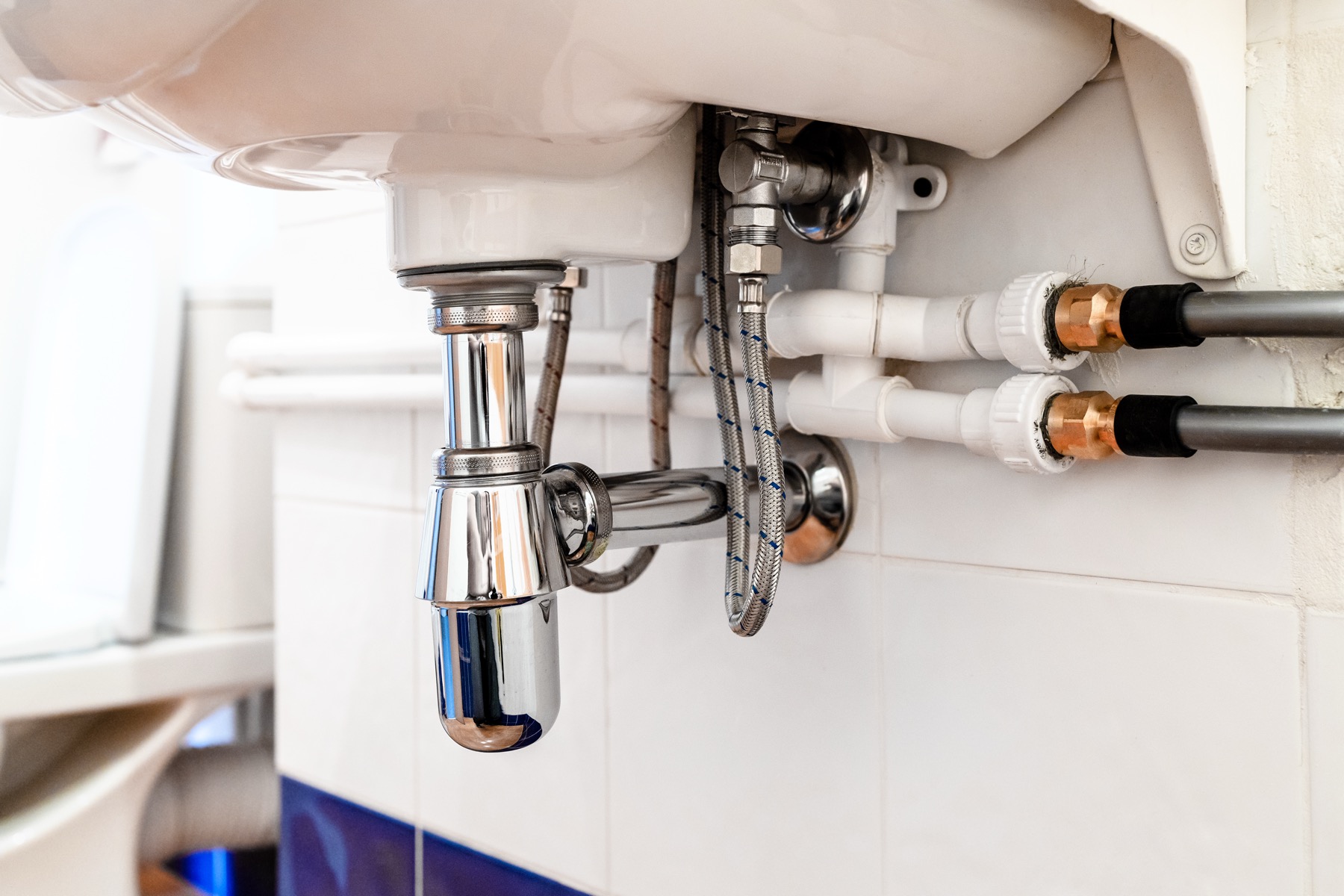
When Should You Get Home Repiping in Oklahoma City?
Home repiping in Oklahoma City: spot failing pipes, tell repairs from a full repipe, and know when to act before leaks get worse.


Heater Blowing Cold Air? What to Check Before You Call
Heater blowing cold air in Oklahoma City? Check the thermostat, filter, furnace ignition, and heat pump settings before you call for service.

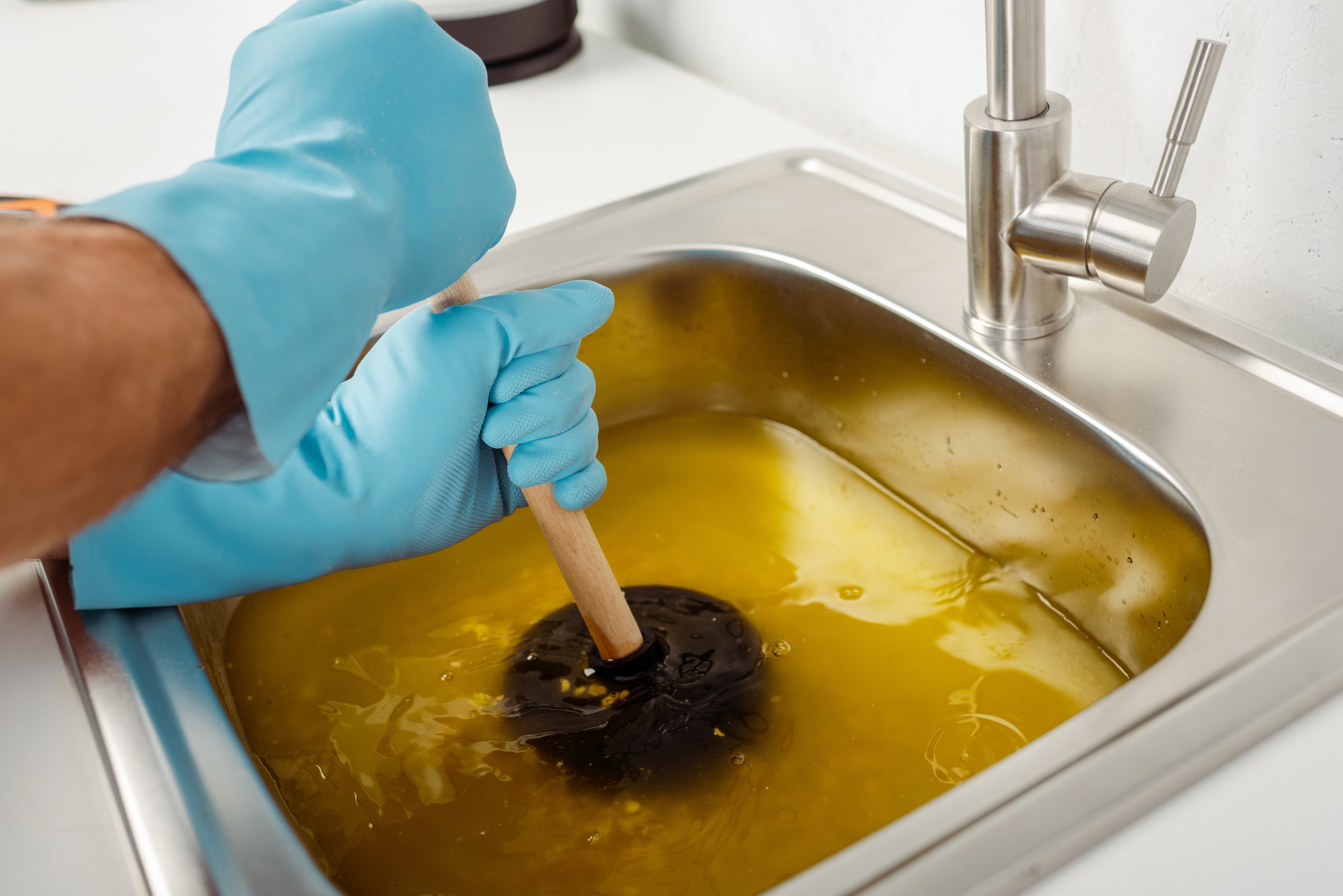
Kitchen Sink Backed Up? What to Do Before Guests Arrive
Kitchen sink clogged in Oklahoma City? Learn how to clear grease, food scraps, and trap blockages before guests arrive, and when to call a plumber.
You’ve Probably Heard About Our REPUTATION
We have maintained quite a reputation for our emergency repair service, affordable prices, open lines of communication and comprehensive services that are sure to go Above + Beyond your expectations.

Affordable Prices
We believe that everyone deserves access to high-quality solutions, which is why we offer specials that make our services more affordable than ever.

Open Lines of Communication
You can call us anytime to schedule an appointment or simply drop us a message on our website. We are always happy to hear from you!

Emergency Service
We offer same-day and weekend appointments to help provide prompt, efficient solutions for your service needs.

Comprehensive services
When you work with us, you can trust that you are receiving top-quality services from experienced professionals who take pride in their work.
EPA Certified Technicians
Above + Beyond only uses NATE and EPA-certified technicians. Subcontractors are never used.
Punctual to Your Appointment
Your time matters. That's why every Above + Beyond appointment comes with a confirmed arrival window, a courtesy call when your technician is on the way, and a live tracking link so you're never left guessing.
Not Your Average Techs
We're not like normal techs. We're cool techs! We're here to be good neighbors, not the best salesmen. If we give you our opinion, it's the same advice we'd give our own parents or family.

"We Are Very Happy With Above + Beyond!"
-Lucian D.
- Terri O'Bryant
- Todd Schug
- Winford willie




We Simplified Home Improvement Financing
- Several different loan types available.
- Financing available for most levels of credit.
- Options for deferred interest, deferred payments.


Serving Our Neighbors in Oklahoma City Since 2015
Ignoring plumbing, HVAC, or electrical issues in your home or business can lead to costly damage and safety hazards. That’s why our local experts are dedicated to keeping your property running smoothly with reliable residential and commercial services in Edmond,
Yukon, and the surrounding areas.
When you choose our certified contractors, you can expect us to deliver long-lasting results while prioritizing your safety from start to finish! From selecting a new appliance to repairing an existing system, we offer a variety of colors and styles from industry-leading brands to accommodate your unique needs and budget.
Our Service Areas
Installing a new AC unit? Frustrated with faulty outlets? Our contractors are available 24/7 for
all your plumbing, electrical, and HVAC needs in Oklahoma City!


Take Advantage of
Our Offers + Save Today


