


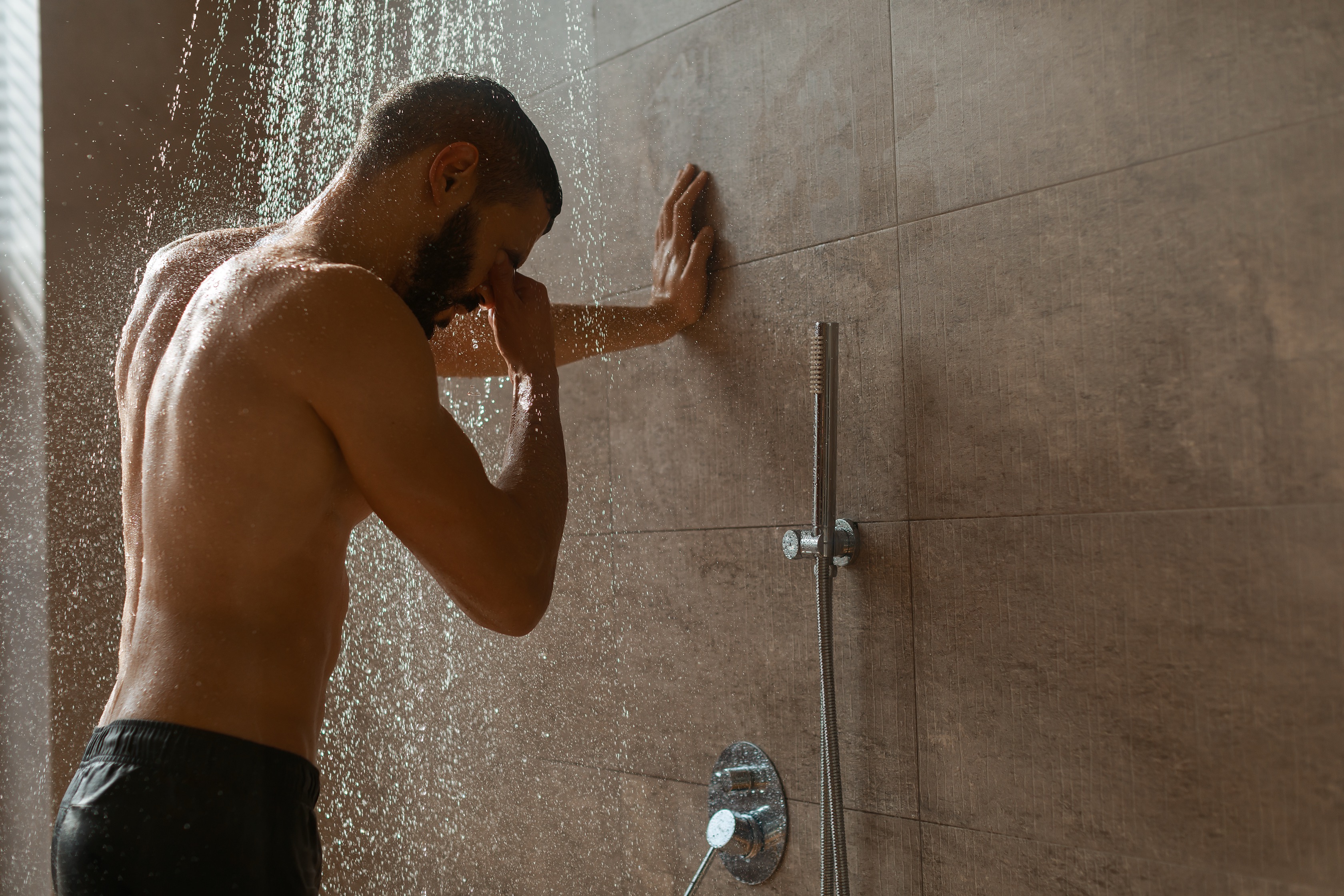


Water Heater Repair in OKC: Repair, Replace, or Tankless?
October 27, 2026

No hot water in OKC: should you repair, replace, or switch to tankless?
No hot water usually means a simple water heater repair, a full replacement, or a tankless upgrade, and the right call comes down to age, leaks, and fuel type. A quick diagnostic keeps you from paying twice.
At Above + Beyond Service Company, we check the tank, the burner or elements, the valves, and the venting before we call it. If the tank is leaking or the heater is near the 8 to 10 year mark, replacement usually makes more sense than another repair. Oklahoma City’s hard water, around 154 PPM, and summer heat over 100 degrees can wear a system out fast. We also review specials when the fix starts looking bigger than the budget.
What usually causes a water heater to stop making hot water
A water heater can sit full of cold water when one part stops doing its job. On electric tanks, a failed heating element or thermostat keeps the water from warming, so the tank fills and refills without ever recovering heat.
Gas units fail a different way. A bad gas control valve can keep the burner from opening, and a pilot or ignition problem can leave the burner with no flame at all. That means the tank stays cold even though the water supply is fine.
Sediment is another common culprit in Oklahoma City. Hard water drops minerals to the bottom of the tank, where they bury the burner flame or coat the elements. Heat transfer slows down, the tank runs longer, and the metal works harder than it should. We also see tankless units lose performance when scale builds inside the heat exchanger, which can trigger temperature swings or a shutdown.
The pattern usually tells us where to look first:
- Lukewarm water that fades fast often points to an element or thermostat issue.
- A gas tank with no flame or repeated ignition failure usually needs attention at the pilot, igniter, or gas control.
- Rumbling, popping, or a slow recovery time often means sediment has taken over the bottom of the tank.
- A tankless unit that cuts in and out often has scale, sensor trouble, or venting trouble.
If your system is a gas water heater repair case, the burner path matters most. If the flame won't stay lit, the control can't keep up, and hot water never gets a chance to build.
What you can safely check before calling for water heater repair
Check the simple stuff you can reach safely before you call for water heater repair. If the water heater is electric, look at the breaker first and make sure it hasn't tripped. Then check the thermostat setting, since a low setting can leave the tank lukewarm instead of hot.
On either type, look for a reset button that has popped, visible water around the base, or a cold-water crossover at a fixture. A crossover happens when a mixing valve or faucet cartridge lets cold water bleed into the hot line, which dilutes the hot supply and makes the heater look guilty when it isn't.
Don't keep resetting a breaker or relighting a unit if you smell gas or see water around electrical parts. Gas plus a spark is a fire hazard, and water near live wiring can shock you. That's the line where you stop and let us handle it.
A quick check now can save you a needless service call, and it can also protect the parts that are still working. If the heater is acting up on a 100+ degree afternoon after heavy use, or if your home is dealing with roughly 154 PPM dissolved minerals in the water, the symptom can show up faster and look worse than it really is.
Repair or replace: the decision rule that saves money in OKC
A repair makes sense when the problem is isolated and the tank still has useful life left. In Oklahoma City, that usually means a heater that’s still inside its normal 8 to 10 year span, with no rust at the shell and no leak at the base. A failed valve, thermostat, or heating part can be worth fixing because the tank itself is still sound.
Replacement starts making more sense when the tank is leaking, the repair bill is climbing, or the same problem keeps coming back. A leak at the bottom means the steel has already started to give up, and no part swap can restore that metal. If the tank has already needed repeated service, the odds of another call go up fast, and so does the chance that you’re paying to keep a tired heater limping along.
The cost test helps too. A repair that stays modest compared with the price of a new tank is easier to justify than a big fix on an aging unit. For a standard tank, a replacement often lands in the typical national range of about $900 to $1,600, before any code upgrades or hidden access issues. If the home is already set up for the right fuel, venting, or wiring, that can make the swap cleaner and easier to plan, while a bigger repair on an old tank may only buy a little more time.
Here’s the rule we use: if the tank is dry, the failure is isolated, and the heater is still in its useful life, repair it. If it’s leaking, rusting, or eating money through repeat service, replace it. Hard water here pushes tanks toward the second bucket sooner, and 100+ degree summers can make a worn heater show its age faster under heavy use. We’ll also look at the home’s power draw, because a typical electric heater can run on roughly 12 cents per kWh from OG&E, which changes how long a tired unit stays cost-effective.
Tank water heater replacement: when a new tank is the better move
A new tank makes more sense when the old one keeps failing in the same places. Repeated pilot trouble, failing elements, or heavy sediment can keep starving the burner or heating surfaces, which slows heat transfer and leaves you with lukewarm water or another shutdown. A fresh tank restores the parts that have been taking the beating.
| Replacement clue | Why it points to a new tank |
|---|---|
| Pilot, element, or sediment issues keep coming back | The same worn parts keep causing the same symptom, so another repair only buys a short pause |
| Rust, sweating, or a leak at the base | The steel shell has started to fail, and that usually can't be rebuilt with a part swap |
| Home already has the right gas, venting, or electrical setup | The swap is simpler because the rough-in work is already there |
That last point matters more than folks expect. If the home already matches the new tank's fuel and venting needs, we can usually replace the heater without turning the project into a bigger remodel. That's where a standard tank often stays the cleanest option.
If the jacket is rusting, the bottom pan is wet, or the tank sweats hard enough to leave a trail, the clock is already working against you. At that stage, the repair money goes into a shell that's losing integrity, not into a healthy heater. We see that as a restore-or-retire moment.
A tank swap also fits homes that want to keep the same setup and avoid conversion work. Gas stays gas. Electric stays electric. When the existing connections are sound, a replacement can protect the home from another round of patch-and-pray fixes, and it keeps the decision grounded in the hardware you already have.
Should you go tankless instead of replacing the tank?
Tankless can be the better move when you want endless hot water and you're ready for the conversion work that comes with it. A tankless unit can last 20+ years if it's descaled every year, but that lifespan depends on maintenance discipline, not luck.
The swap can also ask more of the house than a new tank does. Some homes need a gas line upgrade, typically about $400 to $900, so the burner can keep up with the demand. Electric changeovers may need panel or circuit changes before the new heater can run the way it should.
That math gets sharper in OKC. Hard water here carries about 154 PPM dissolved minerals, and that scale can build inside the heat exchanger faster than many people expect. Summer heat can push demand hard too, especially when the house is already working through 100+ days.
| Tankless changeover factor | What it means for your decision |
|---|---|
| 20+ year lifespan with annual descaling | Good payoff if you’ll stay on top of maintenance |
| Gas line or electrical upgrade | Adds hidden cost before the new unit is even set |
| Endless hot water | Makes sense when the house needs longer showers or back-to-back use |
| Conversion budget | Best fit when the upgrade work still stays inside your plan |
We'd rather see you choose the setup that fits the house than chase a shiny upgrade that needs more work than expected. If the budget covers the changeover and the home really wants nonstop hot water, tankless starts to make a lot of sense.
What tankless problems look like when the unit stops heating
Scale buildup is the first thing we check on a tankless unit that keeps going cold. Hard water leaves mineral crust on the heat exchanger, which narrows flow and makes the burner or electric elements cycle unevenly, so you get temperature swings or a shutdown. When the water carries about 154 PPM dissolved minerals and the house is already asking for hot water in 100+ heat, that shows up faster in Oklahoma City.
Ignition, flame sensor, or venting trouble can stop the unit from making hot water at all. The igniter lights the burner, the flame sensor proves the flame is there, and the vent clears exhaust so the safety controls stay happy. If any one of those parts misses its job, the board locks the unit out and the tap runs cold.
Repair still makes sense when the cabinet is young, the error is serviceable, and the problem is limited to one part. That’s the kind of tankless water heater repair we’d expect to restore hot water without turning the whole system into a project.
Why OKC water and weather change the repair-versus-replace choice
OKC water wears out heaters faster. Hard water leaves scale on tank walls and inside tankless heat exchangers, and that crust acts like an insulator. The burner or elements have to work harder to heat the same water, so efficiency drops and parts age sooner.
Older homes can add another wrinkle. Some still have original copper plumbing or 100-amp service, and that can limit a replacement if the new heater needs different gas, venting, or electrical capacity. We have to check the house, not just the old tank.
Summer use matters too. When a heater is running hard through hot months and serving the house year-round, small problems turn into repeat failures faster. That’s why review specials and a careful estimate matter before you spend on another fix. We’d rather match the repair to the actual wear than send you back into the same cycle.
- Scale cuts heat transfer and shortens service life.
- Aging plumbing or electrical service can narrow replacement options.
- Heavy seasonal demand exposes weak parts sooner.
- A worn heater can keep failing if the load stays high.
Frequently asked questions about no hot water in OKC
How long does a typical diagnostic visit for no hot water take?
A typical diagnostic visit usually takes about 30 to 60 minutes when the heater is easy to reach and the symptoms are clear. We spend that time checking the controls, the heat source, and the safety shutoffs that decide whether the problem is a simple fix or a deeper failure. Hidden access or a second issue can stretch the visit.
Can a water heater be repaired the same day?
Same-day water heater repair is often possible when the failed part is on the truck and the heater is still worth saving. A thermostat, heating element, gas control, or ignition part can usually be swapped in one visit. If the tank needs a special part, vent changes, or code updates, the job can roll to another day.
What happens if the unit fails again after a repair?
A repeat failure usually means the original fault was only part of the story. Sediment, wiring wear, a weak gas valve, or a control that keeps tripping can make the same symptom return, so the next visit has to look for the cause behind the cause. If the same part fails twice, replacement starts making more sense than another patch.
Is tankless worth it for a smaller household?
Tankless can still make sense in a smaller home if you want compact equipment and steady hot water on demand. The catch is maintenance, because scale inside the heat exchanger can choke flow and trigger shutdowns if it isn't flushed on schedule. If you want low upkeep more than endless hot water, a tank may be the easier fit.
The smartest next step when your water heater goes cold
Choose the fix that fits the heater you actually have. When the tank is leaking, the unit is near the end of its life, or the repair bill keeps climbing, replacement or a tankless upgrade is the smarter move.
We can check the tank, burner or elements, venting, valves, and any needed code upgrades. That gives you a written estimate built around the real decision, not a guess.
Book a water heater inspection with Above + Beyond Service Company before you decide on repair, replacement, or tankless. Call (405) 428-3382 or visit www.pinkvantechs.com for service in Oklahoma City and nearby Central Oklahoma.
Written by the Above + Beyond Service Company team. All technicians licensed through the Oklahoma Construction Industries Board (CIB) Above + Beyond Service Company is licensed for HVAC, plumbing, and electrical work in Oklahoma under license numbers #00176537, #00136197, and #160383 · NATE-certified technicians.
Related Posts
Sewer Line Repair Signs in Oklahoma City
Sewer line repair in Oklahoma City: learn what gurgling drains and repeat clogs mean, what causes them, and when to call a plumber.

Generator Maintenance Checklist for Oklahoma Ice Storms
Generator maintenance in Oklahoma City: learn what to check before an ice storm, when a no-start is simple, and when to call for service fast.


Furnace Not Turning On in Oklahoma City? Six Things to Check
Furnace not turning on? Check these six things, learn what the symptoms mean, and know when to call for furnace repair in Oklahoma City.

You’ve Probably Heard About Our REPUTATION
We have maintained quite a reputation for our emergency repair service, affordable prices, open lines of communication and comprehensive services that are sure to go above and beyond your expectations.

Affordable Prices
We believe that everyone deserves access to high-quality solutions, which is why we offer specials that make our services more affordable than ever.

Open Lines of Communication
You can call us anytime to schedule an appointment or simply drop us a message on our website. We are always happy to hear from you!

Emergency Service
We offer evening and weekend availability to help provide prompt, efficient solutions for your service needs.

Comprehensive services
When you work with us, you can trust that you are receiving top-quality services from experienced professionals who take pride in their work.
EPA Certified Technicians
Above + Beyond and NATE only uses factory-trained, EPA certified technicians. Subcontractors are never used.
No Lemon Guarantee
Above + Beyond will replace your entire furnace unit for NO CHARGE if your heat exchanger fails within 10 years of the installation date. (Does not apply if regular maintenance is not completed.)
Punctual to Your Appointment
Your time matters. That's why every Above + Beyond appointment comes with a confirmed arrival window, a courtesy call when your technician is on the way, and a live tracking link so you're never left guessing.
We Stand Behind Our Work
Above + Beyond will provide 1 year labor warranties for parts installations and 2-year labor warranty on all equipment installations.

"We Are Very Happy With Above + Beyond!"
-Lucian D.
- Terri O'Bryant
- Todd Schug
- Winford willie




We Simplified Home Improvement Financing
- Several different loan types available.
- Financing available for most levels of credit.
- Options for deferred interest, deferred payments.


Serving Our Neighbors in Oklahoma City Since 2015
Ignoring plumbing, HVAC, or electrical issues in your home or business can lead to costly damage and safety hazards. That’s why our local experts are dedicated to keeping your property running smoothly with reliable residential and commercial services in Edmond,
Yukon, and the surrounding areas.
When you choose our certified contractors, you can expect us to deliver long-lasting results while prioritizing your safety from start to finish! From selecting a new appliance to repairing an existing system, we offer a variety of colors and styles from industry-leading brands to accommodate your unique needs and budget.
Our Service Areas
Installing a new AC unit? Frustrated with faulty outlets? Our contractors are available 24/7 for
all your plumbing, electrical, and HVAC needs in Oklahoma City!


Take Advantage of
Our Offers + Save Today


